
How Long Does It Take to Become a Commercial Pilot? Training Timeline Explained
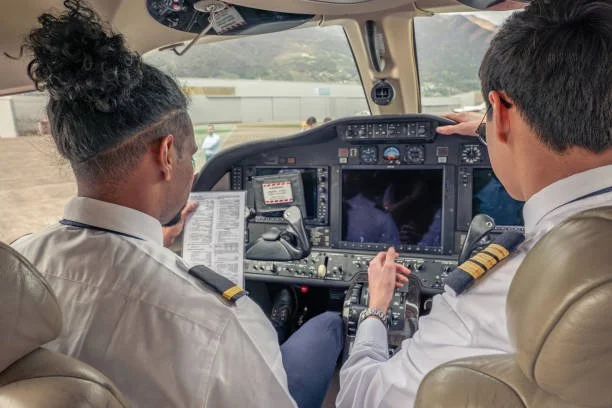
Commercial pilot licence training is an important step for individuals who want to pursue a professional aviation career. While many aspiring pilots are eager to begin flying commercially, one of the most common questions is how long the training process actually takes. The answer depends on several factors, including training frequency, flight hour accumulation, and the specific program chosen.
Understanding the timeline can help future pilots plan their education, budget, and career goals more effectively. This guide explains the key stages involved in becoming a commercial pilot and the factors that can influence the overall training duration.
What Is Commercial Pilot Licence Training?
Commercial pilot licence training prepares students to operate aircraft professionally and receive compensation for their flying services. The training focuses on advanced flight maneuvers, aviation regulations, navigation, decision-making, and aircraft operations.
Unlike private pilot training, commercial pilot licence training emphasizes precision, professionalism, and operational competence. Students develop the skills required to safely manage more complex flight situations and meet industry standards.
For those interested in learning more about the requirements and structure of commercial pilot licence training, understanding the complete training pathway is essential.
Key Stages of Becoming a Commercial Pilot
The journey to becoming a commercial pilot involves several training milestones. Each stage contributes to the overall timeline.
Step 1: Earn a Private Pilot License
Most students begin by obtaining a Private Pilot License (PPL). During this phase, students learn the fundamentals of flight operations, navigation, communication procedures, and aircraft control.
The time required depends on how frequently training sessions are scheduled. Students who fly consistently often complete this phase more quickly than those who train less often.
Step 2: Build Flight Experience
After obtaining a private pilot license, students must accumulate additional flight hours. These hours provide valuable experience in different flying conditions and help prepare students for advanced ratings.
Flight hour building often represents one of the longer portions of the training process because experience must be gained gradually and safely.
Step 3: Complete Instrument Rating Training
Instrument Rating training teaches pilots how to operate aircraft using flight instruments when visual references are limited.
This rating improves safety, enhances pilot proficiency, and prepares students for more advanced commercial operations.
Step 4: Enroll in a Commercial Pilot Licence Course
Once students meet flight hour requirements, they can begin a commercial pilot licence course. This stage focuses on advanced maneuvers, commercial flight operations, and professional-level piloting skills.
Students refine their precision and decision-making abilities while preparing for practical examinations.
Step 5: Pass Required Exams and Checkrides
The final stage involves successfully completing written examinations and practical flight evaluations. These assessments verify that the student meets the standards required for a commercial pilot certificate.
Factors That Affect Training Duration
Several factors influence how long it takes to complete commercial pilot training.
Training Frequency
Students who fly multiple times each week generally progress faster than those with infrequent training schedules. Consistent practice helps maintain skill development and reduces the need for review sessions.
Weather Conditions
Weather can affect flight schedules throughout the year. Poor visibility, storms, or other unfavorable conditions may cause temporary delays.
Aircraft Availability
Access to training aircraft can influence scheduling flexibility. Well-organized flight schools often maintain aircraft availability to support consistent student progress.
Student Commitment
Individual study habits, preparation, and dedication also impact training timelines. Students who actively prepare for lessons often move through training more efficiently.
Previous Aviation Experience
Students with prior aviation experience may already possess knowledge and skills that support faster progression through certain training phases.
Flight Hour Requirements for a Commercial Pilot Certificate
Flight experience is one of the most important requirements for earning a commercial pilot certificate. Pilots must accumulate a specific number of flight hours while demonstrating proficiency in various flight operations.
These hours typically include:
Pilot-in-command time
Cross-country flight experience
Night flying experience
Instrument training
Advanced flight maneuvers
Detailed certification requirements are outlined by the Federal Aviation Administration (FAA), which establishes the standards pilots must meet before certification.
The purpose of these requirements is to ensure pilots gain practical experience in diverse operating environments before entering commercial aviation roles.
Choosing the Right Commercial Pilot Licence Course
Selecting the right training provider can influence both the quality and efficiency of training.
Structured Curriculum
A structured training program helps students progress systematically through each phase of training while meeting certification requirements.
Qualified Instructors
Experienced flight instructors provide guidance, feedback, and support throughout the learning process. Strong instructor mentorship can contribute to effective skill development.
Training Resources
Modern aircraft, training facilities, and educational resources can help create a productive learning environment.
Training at Penn Flight Academy
Penn Flight Academy offers flight training programs designed to help students pursue aviation goals through structured instruction and hands-on flight experience.
Students receive guidance from experienced instructors while progressing through various stages of pilot training. Training programs focus on developing the knowledge, skills, and practical experience required for advancement in aviation.
Prospective pilots can explore available training opportunities and discuss educational pathways that align with their career objectives.
Common Challenges During Training
Every pilot faces challenges during training. Understanding these obstacles can help students prepare more effectively.
Managing Time Commitments
Flight training requires dedication both in the aircraft and during ground study. Effective scheduling helps students stay on track.
Balancing Flight and Academic Learning
Pilots must master both practical flying skills and theoretical aviation knowledge. Balancing these responsibilities requires consistent effort.
Maintaining Skill Proficiency
Regular training helps students retain knowledge and develop confidence. Long gaps between lessons can slow progress.
Career Opportunities After Earning a Commercial Pilot Certificate
Obtaining a commercial pilot certificate can open the door to various aviation opportunities.
Flight Instruction
Many pilots choose to become flight instructors to build additional flight experience while helping others learn to fly.
Charter Operations
Commercial pilots may work in charter services that transport passengers or cargo.
Specialized Aviation Services
Commercial pilots can also pursue opportunities in aerial surveying, agricultural aviation, photography operations, and other specialized aviation fields.
Career paths vary based on individual goals, additional certifications, and accumulated experience.
Conclusion
The time required to complete commercial pilot licence training depends on several factors, including training frequency, flight hour accumulation, weather conditions, and personal commitment. While many students complete the process within one to two years, individual timelines may vary.
Understanding each stage of the journey can help aspiring pilots plan effectively and stay focused on long-term aviation goals. Whether beginning with a private pilot license or working toward a commercial pilot certificate, consistent training plays an important role in successful progression.
If you would like to learn more about available flight training programs, contact us today to discuss your aviation training goals.
Frequently Asked Questions
How long does commercial pilot licence training usually take?
Many students complete the process within one to two years, although individual timelines depend on training frequency and flight hour accumulation.
What is a commercial pilot certificate?
A commercial pilot certificate allows qualified pilots to operate aircraft professionally and receive compensation for their services.
How many flight hours are required before commercial certification?
Flight hour requirements vary based on the certification pathway and applicable aviation regulations.
Can I complete a commercial pilot licence course part-time?
Yes. Many students complete training on a part-time basis, although this may extend the overall timeline.
Does weather affect flight training schedules?
Yes. Weather conditions can occasionally delay flight lessons and influence training progress.
