
Private Pilot License Cost in Pennsylvania: Full Fee Structure, Training Cost & Hidden Charges
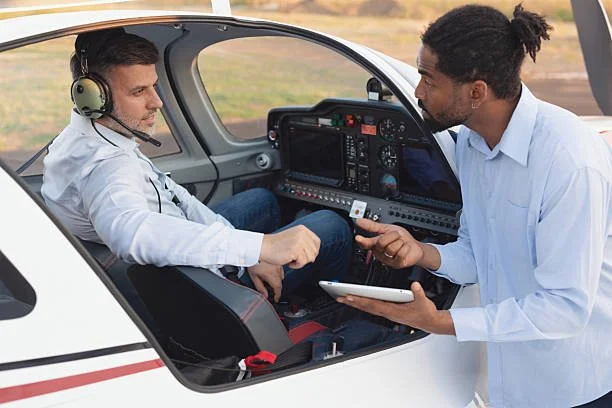
A private pilot license is often the first major milestone for individuals pursuing flight training. Understanding the complete cost structure before beginning training can help students create realistic expectations and plan their budget effectively. While many people focus on advertised training prices, the total investment may include several additional expenses that are not always considered at the beginning of the process.
For aspiring pilots in Pennsylvania, understanding how training costs are structured is an important part of preparing for aviation education.
Understanding the Private Pilot License Process
A private pilot license allows individuals to operate aircraft for personal and recreational purposes while following Federal Aviation Administration (FAA) regulations. To earn a private pilot certificate, students must complete both ground instruction and flight training requirements.
The process generally includes:
Ground school education
Flight lessons with a certified instructor
Solo flight training
FAA knowledge examination
FAA practical examination
The total cost varies because every student progresses at a different pace. Some students complete requirements close to the FAA minimums, while others may require additional training hours.
Students interested in earning a private pilot license should understand how each component contributes to the overall cost.
What Is Included in Private Pilot Training Costs?
Several training elements contribute to the total cost of a private pilot license.
Ground School Training
Ground school provides the knowledge required to understand aviation regulations, weather patterns, aircraft systems, navigation procedures, and flight planning.
Students may complete ground instruction through classroom sessions, online learning platforms, or instructor-led programs. Ground training fees are often separate from flight lesson costs.
Flight Training Hours
Flight training represents one of the largest portions of the total expense. During training, students learn aircraft control, navigation, communication procedures, takeoffs, landings, and emergency operations.
FAA regulations establish minimum flight requirements, but actual training hours vary based on individual progress.
Instructor Fees
Certified flight instructors provide both in-flight and ground-based instruction. Instructor fees typically apply to each lesson and can vary depending on training schedules and program structure.
FAA Knowledge Test
Students must pass an FAA written examination before completing the practical test. The examination fee is generally separate from training expenses.
FAA Practical Test
The practical examination includes an oral assessment and flight evaluation conducted by a designated examiner. Examiner fees should be included when estimating total training costs.
Factors That Influence Private Pilot License Cost
Several variables affect the overall investment required for a private pilot certificate.
Training Frequency
Students who train consistently often progress more efficiently because skills remain fresh between lessons. Longer gaps between flights may require additional review sessions.
Aircraft Type
Aircraft operating costs vary depending on the model used for training. Different aircraft may have different rental rates and operational expenses.
Student Learning Pace
Every student learns differently. Some individuals require additional practice to master flight maneuvers, while others progress more quickly through training requirements.
Weather Delays
Pennsylvania weather conditions can occasionally affect flight schedules. Delays may extend the overall training timeline and impact budgeting plans.
Hidden Costs Students Should Consider
While many students focus on flight lesson pricing, several additional expenses can influence the total cost of training.
Aviation Medical Examination
Before solo flight and certification, students must obtain an FAA medical certificate from an authorized aviation medical examiner.
Training Materials and Supplies
Students commonly purchase:
FAA handbooks
Navigation charts
Logbooks
Flight planning tools
Headsets
These items contribute to overall training expenses.
Retesting Costs
If a student must retake any portion of the knowledge or practical examination, additional fees may apply.
Travel and Scheduling Expenses
Transportation to and from the airport, lodging for distant students, and scheduling adjustments can also affect overall costs.
Why Training Efficiency Matters
Efficient training often helps students control costs more effectively. Consistent attendance, preparation before lessons, and regular review of training materials can improve learning retention.
Students who arrive prepared for each lesson may spend less time reviewing previous material and more time progressing toward certification goals.
Because flight training is cumulative, maintaining continuity can be beneficial throughout the learning process.
Training Opportunities at Penn Flight Academy
Penn Flight Academy offers flight training programs designed to help students pursue aviation education in a structured environment. Training programs focus on building foundational aviation knowledge, developing practical flight skills, and preparing students for FAA certification requirements.
Students pursuing a private pilot certificate benefit from a training path that combines ground instruction and flight experience while following FAA standards.
When evaluating flight schools, prospective students should consider training structure, instructor availability, aircraft access, scheduling flexibility, and overall educational support.
Tips for Managing Your Flight Training Budget
Creating a financial plan before beginning training can help students manage expenses more effectively.
Consider the following strategies:
Train consistently whenever possible.
Budget for both expected and unexpected costs.
Purchase required training materials early.
Maintain a study schedule between lessons.
Track training progress and expenses regularly.
Discuss training goals with instructors.
Planning ahead can help students better understand the financial commitment associated with earning a private pilot license.
Conclusion
Understanding the full cost of a private pilot license in Pennsylvania involves more than simply calculating flight lesson fees. Ground instruction, aircraft rental, instructor time, examinations, medical certification, and training materials all contribute to the overall investment.
Students who understand these costs before beginning training can make more informed decisions and create a realistic budget for their aviation goals. Whether you are researching private pilot training for personal flying or future aviation opportunities, understanding the complete fee structure is an important first step.
To learn more about training options and certification pathways, contact us today.
Frequently Asked Questions
1. How long does it take to earn a private pilot license?
The timeline varies depending on training frequency, weather conditions, scheduling availability, and individual progress.
2. Does every student complete training in the same number of hours?
No. Training hours vary based on learning pace, consistency, and skill development throughout the program.
3. What is the difference between a private pilot license and a private pilot certificate?
The terms are commonly used interchangeably, although the FAA officially refers to the credential as a private pilot certificate.
4. Can weather affect flight training costs?
Weather delays can extend training schedules and may influence the total number of lessons required to maintain proficiency.
5. Is ground school required for private pilot training?
Yes. Ground training is an essential part of the certification process and covers aviation knowledge required for FAA examinations and safe flight operations.
